Key Takeaways
- Identity theft is common, but you can reduce the risk by taking simple steps to protect yourself.
- Create strong passwords and use a password manager for extra security.
- Leave your Social Security Card and rarely used cards at home.
- Shred important papers or switch to electronic statements to keep your information safe.
- Stay alert for phishing scams and suspicious phone calls to avoid sharing personal information.
- Check your credit reports regularly and consider freezing your credit to prevent fraud.
- Use a monitoring service like IDnotify® from Experian® for added protection against identity theft.
Identity theft may not have happened to you yet, but chances are likely it could. More than one million people reported identity theft in 2023, making it the top type of fraud reported.1
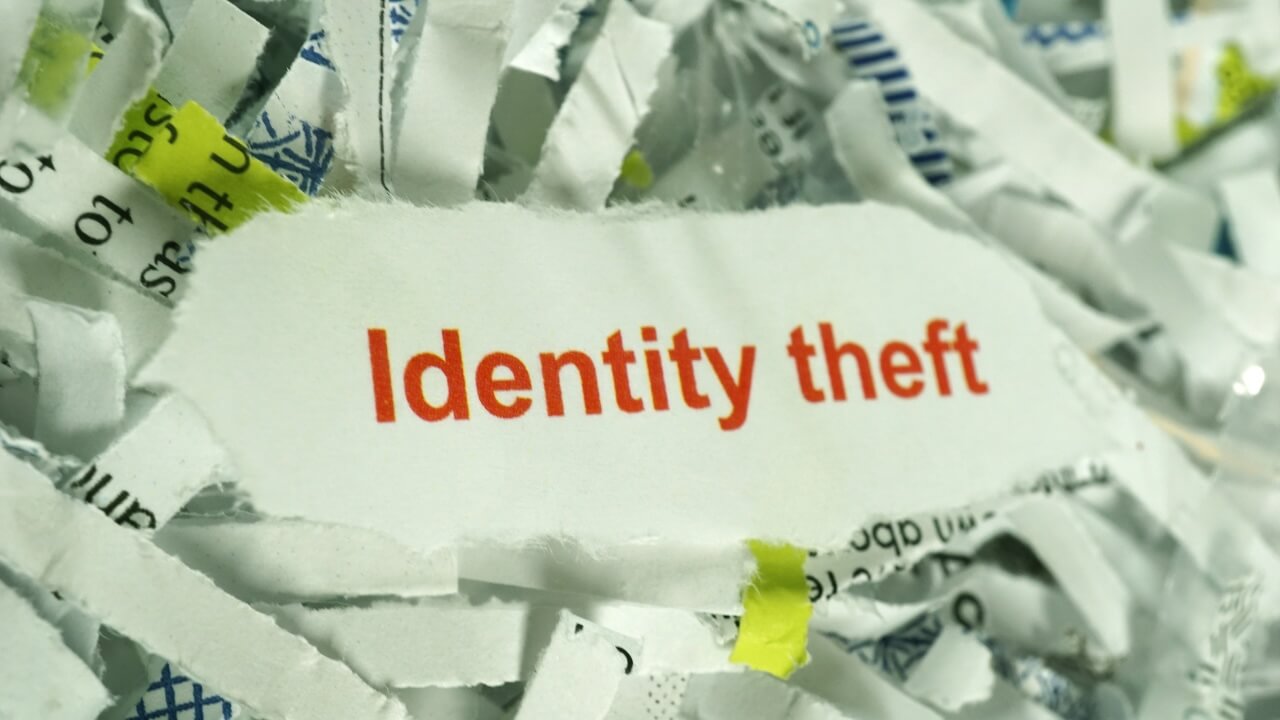
Identity theft occurs when someone uses your personally identifiable information (PII) to access your credit cards, bank accounts or other records. Identity theft can damage your credit, drain your bank accounts and falsify your records. Protect yourself by following the tips below and keeping a close eye on your accounts.
Start with Strong Passwords
Many people don’t protect their devices with passwords or they reuse passwords for multiple devices and apps. Multiple passwords can be a pain to remember, but they are your first line of defense in protecting your accounts. Consider using a password manager like 1Password2 to secure every login across your devices.
Keep Important Cards at Home
Your cards, especially your Social Security Card, are exactly what a thief needs to duplicate your identity and access your money and records. Never carry your Social Security Card in your wallet; keep it in a safe place at home. Likewise, keep only the credit and bank cards you use regularly in your wallet to limit the damage if your wallet is lost or stolen. Never carry a list of card numbers or passwords with you.
Safeguard Documents
Paper documents, like bank statements and credit card bills, have information that thieves want. Don’t make it easy for them.
- Shred paper statements, old checks, bills, and anything with personal information when you’re done with them.
- Check your mailbox regularly so thieves can’t steal your mail. If you go on vacation, have your mail held or ask someone to pick it up.
- Even better, sign up for electronic statements and bills so you don’t have to worry about paper.
Watch Out for Phishing Scams
Phishing scams come in many forms, and they change often, so it’s important to stay alert. Phishing happens when a scammer sends you an email or text asking you to click a link or open an attachment and share personal information. The message looks like it’s from someone you trust, like your bank or credit card company, but there’s often a slight difference that’s easy to miss. If you provide personal information, the scammer can access your accounts or launch software called malware that infects your device.
If you get a suspicious message, don’t click on anything. Instead, call your bank or credit card company to report it.
That Person Calling You Is Not Your Friend
Scammers use the phone too. They pretend to be from your bank or credit card company and ask for passwords, account numbers, or other personal information to steal from you. But no real bank, utility, or government office will ever ask for that information over the phone. If someone calls asking for it, hang up right away.
Review Your Credit Report
Your credit report might show activity or accounts you don’t recognize. It’s a good idea to check your report at least once a year. You can get free copies of your credit reports from annualcreditreport.com.
Be Careful with Public WiFi
Free WiFi is just about everywhere, and while it’s convenient, it can put your personal information at risk if you’re not careful. Most websites are encrypted and safe to use, but always check for a lock symbol or “https://” in the address bar to be sure.
Even if you’re on an encrypted website, be careful when using public WiFi:
- Avoid sharing sensitive information while online.
- Keep your device’s software up to date.
- Log out of your accounts when you’re done.
- Consider using antivirus software.
Think Before You Post
Social media is a fun way to stay connected, but before you post, make sure you’re not sharing details a fraudster could use, like your address, your mother’s maiden name, or pictures of important documents or cards.
Put Your Credit in the Deep Freeze
With just a little of your information, thieves can access your credit reports and apply for credit in your name. Freezing your credit blocks anyone from looking at your reports. Lenders usually check your credit before approving a new loan or credit card, but if your credit is frozen, they can’t approve anything. If you need to apply for credit, you can unfreeze it temporarily.
You must freeze your credit with all three credit bureaus: TransUnion, Equifax and Experian. The easiest way to do so is online, but you may also call. Find out more in this article from NerdWallet.
Stay Alert
Cybercriminals come up with new ways to steal information all the time. Keeping a close watch on your bank and credit card accounts and tracking your credit reports helps protect you from fraud. You can also get alerts for any suspicious activity with IDnotify® from Experian®. It’s easy to sign up and use through Lake City Bank Digital on any device.
1Consumer Sentinel Report from the FTC. https://www.ftc.gov/system/files/ftc_gov/pdf/CSN-Annual-Data-Book-2023.pdf