









Start with Your Financial Snapshot

Before focusing only on credit, it helps to look at your full financial picture. Your income, monthly expenses, savings, and existing debt all affect how much credit you can comfortably manage.

Ask yourself:

  • Do I consistently have money left after paying bills?
  • Am I relying on credit to cover everyday expenses?
  • Do I have savings for emergencies?

If credit is being used to get through the month, it may be helpful to focus on budgeting and building savings alongside improving your credit. You can also take a short financial well-being questionnaire from the Consumer Financial Protection Bureau to get a general sense of how you’re doing and how your results compare to the U.S. average.

Credit Basics

Credit is simply the ability to borrow money and repay it over time. Lenders look at your past behavior to estimate how likely you are to repay future loans.

Your credit profile is influenced by things like:

  • Whether you pay bills on time
  • How much of your available credit you’re using
  • How long you’ve had credit accounts
  • The types of credit you use, such as credit cards, auto loans, or mortgages

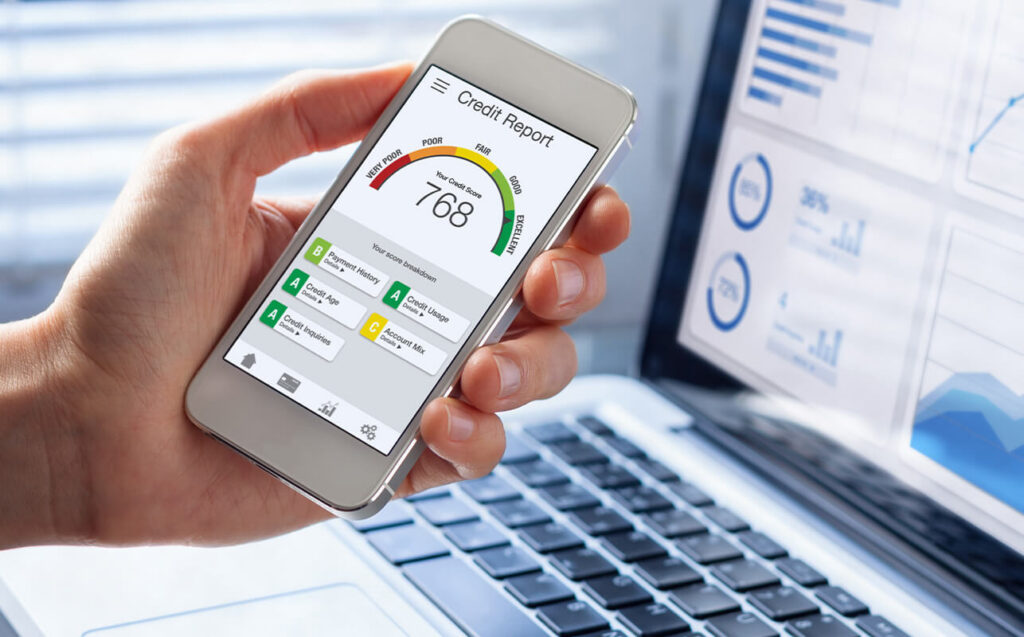
Lenders review both your credit score and your full credit report. The score gives a quick snapshot, while the report shows the details behind it.

Building and Improving Credit

Good credit is built gradually through consistent habits. Small changes can make a big difference over time.

Helpful strategies include:

  • Paying every bill on time, even if it’s just the minimum. Tools like Bill Pay in Lake City Bank Digital make it easy to set up automatic payments so you’re never late.
  • Keeping credit card balances well below the limit when possible
  • Avoiding opening several new accounts at once
  • Using credit regularly, but only for amounts you can repay

If you’re new to credit or rebuilding, tools like secured credit cards or small installment loans can help establish positive payment history when used responsibly.

Understanding Your Credit Score and Credit Report

Your credit report is a record of your accounts, balances, and payment history. Your credit score is a number calculated from that information to help lenders quickly assess risk.

Reviewing your credit report at least once a year is a smart habit. It allows you to:

  • Check that accounts and balances are accurate
  • Spot unfamiliar activity early
  • Correct errors that could be lowering your score

You can check your credit score for free. Many credit card companies and lenders include it on your statements or their websites. You can also get a free credit report from the three major credit bureaus (Experian, Equifax, and TransUnion) at AnnualCreditReport.com.

Choosing and Using Credit Cards Wisely

Credit cards can be helpful for everyday purchases, emergencies, and building credit — but only when managed carefully.

When comparing cards, think about:

  • Interest rates if you don’t pay the balance in full
  • Annual or monthly fees
  • Whether rewards fit your spending habits
  • How the card reports activity to credit bureaus

Using one card responsibly is often better for your credit than having several cards with high balances.

Getting Out of Debt and Back on Track

If debt feels stressful, you’re not alone. The goal is to make steady progress, not overnight perfection.

Helpful steps include:

  • Creating a realistic repayment plan that fits your budget
  • Paying more than the minimum when possible to reduce interest
  • Avoiding new debt while paying down existing balances

If you’re carrying balances on multiple cards, a balance transfer could help simplify payments and reduce interest. Our credit card balance transfer calculator can help you estimate how much you might save by moving debt to a lower-rate option.

Be cautious of companies that promise fast fixes or guaranteed results. Improving credit and reducing debt usually take time, but steady progress is achievable with the right plan.

Continue Learning

If you’d like to dive a little deeper into specific credit topics, these blog articles may be helpful:

Want Personalized Guidance?

Everyone’s financial situation is different. If you’re not sure whether your next step should be building credit, improving your score, or preparing for a future loan, our team can help you talk through your options and create a plan that fits your goals.

Meet Your Local Banker

We’d love to talk to you one-on-one.

Find a Branch Near You

Banking Tips & Insights

How to Build Credit and Improve Your Credit Score

Your credit score can impact more than just loan approvals — it may also influence decisions made by landlords, employers, and utility providers. Understanding how credit works and building strong habits can help you improve your score and expand your financial opportunities.

How to Build Good Credit from the Start

Building good credit is important for lots of reasons — employers and landlords, for example, often check credit. Buying a car or house requires good credit as well. But getting started can be tricky, since you usually need credit to get credit.
How to Understand and Improve Your Credit Score

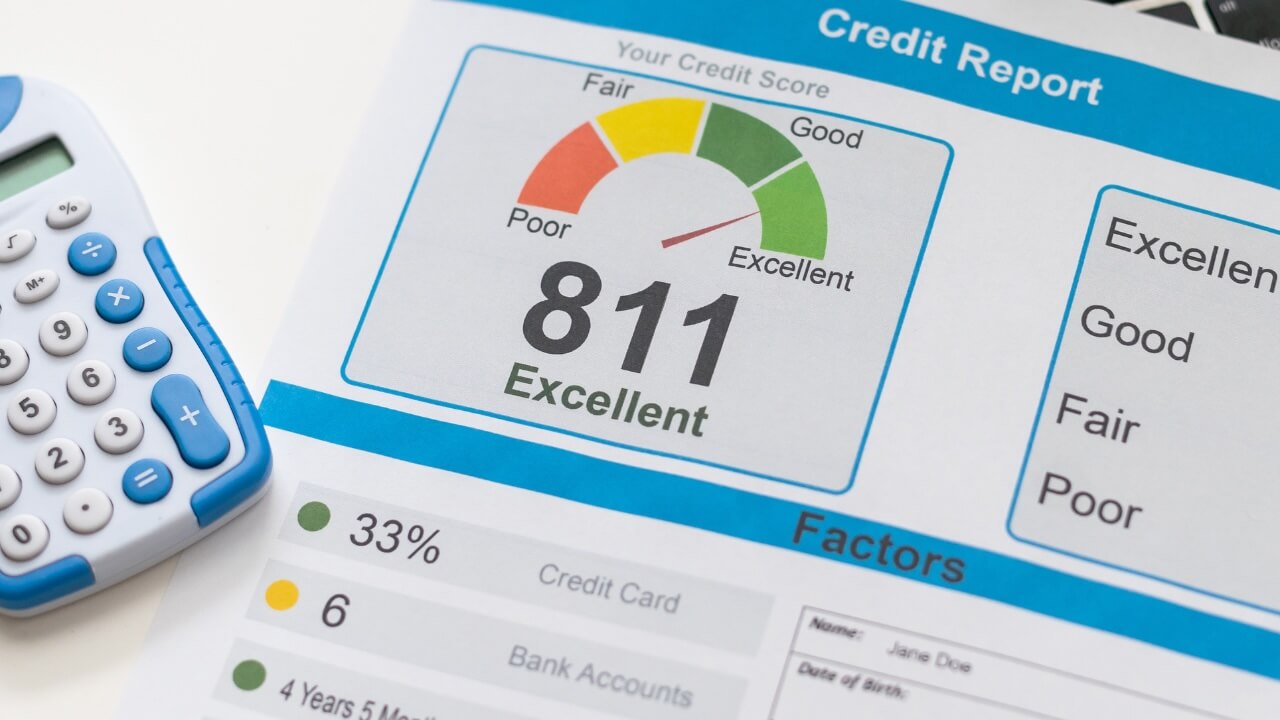
Many people only think about credit scores when it’s time to borrow money. Banks and credit card companies look at your credit score to decide how much to lend you and at what interest rate. However, understanding and improving your credit score is something you should think about all year long.
