







Budgeting Basics

A good budget starts with knowing where your money goes.

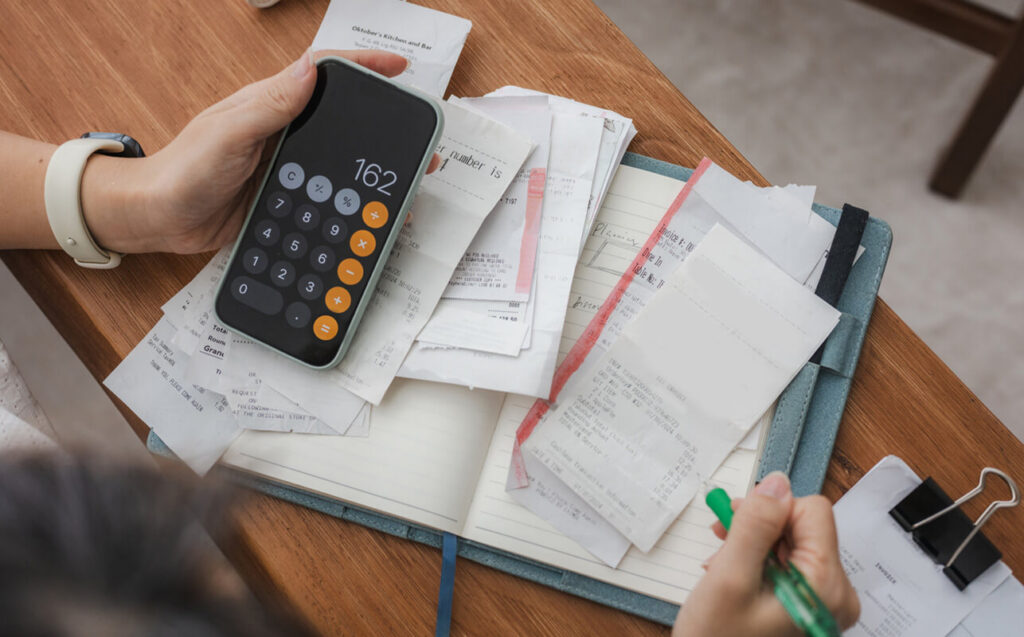
Begin by listing your regular expenses like housing, utilities, insurance and loan payments. Then take a look at everyday spending like groceries, dining out and entertainment. Seeing the full picture helps you spot opportunities to save and decide what matters most.

To make this easier, try using our Budget Calculator to estimate your monthly expenses and compare them to your income. It’s a quick way to see how your money is currently being used and where you may have room to adjust.

Small changes can make a big difference. Redirecting money from a few daily or weekly habits toward savings can add up faster than you might expect.

A Simple Framework That Works for Many People

If you’re not sure how to divide your income, the 50/30/20 budgeting method is a helpful place to start:

  • 50% for needs like housing, food and transportation
  • 30% for wants like dining, hobbies and entertainment
  • 20% for savings and financial goals

This method is recommended by many financial experts and offers flexibility while keeping savings a priority. Your actual percentages may look different, and that’s okay — the goal is to find a balance that works for you.

Finding a Budgeting Style That Fits You

The 50/30/20 method is a helpful starting point, but it’s not the only way to budget. Different approaches work better for different habits and lifestyles. If you want to try something else, here are two other simple options many people find effective.

Pay Yourself First

With this approach, you focus on saving before you focus on spending. As soon as you get paid, a set amount is moved into savings automatically. What’s left is what you use for bills and everyday purchases.

This method works well if your main goal is to build savings and you don’t want to track every category closely. Automating transfers can help you stay consistent without thinking about it each month.

Envelope-Style Budgeting (Digital Version)

This method is all about setting limits for spending categories like groceries, dining, or entertainment. You decide how much you want to spend in each area for the month and track your balance as you go. When you reach the limit, spending in that category pauses until the next month.

Today, many people use digital tools instead of cash envelopes to follow this approach. It can be especially helpful if you’re trying to rein in impulse spending or keep certain expenses from creeping up.

Budgeting for Different Life Stages

Students and Young Adults

Between tuition, rent and everyday expenses, budgeting early can build strong financial habits. Focus on:

  • Tracking monthly expenses
  • Keeping credit card balances manageable
  • Setting aside even small amounts for savings

Developing these habits now can make future financial decisions much easier.

Planning for Retirement

Retirement budgeting goes beyond basic living expenses. It may also include:

  • Healthcare and insurance
  • Travel and hobbies
  • Family support or charitable giving

Considering these costs ahead of time can help you plan with more confidence and flexibility. Use our retirement savings calculator to see how long your savings might last, factoring in your contributions and inflation-adjusted withdrawals.

Expect the Unexpected

Life happens — car repairs, medical bills and home maintenance can appear without warning. An emergency fund helps cover these surprises without disrupting your monthly budget.

Many financial experts recommend building savings that can cover three to six months of essential expenses. Even starting with a small, consistent amount can provide peace of mind over time. The CFPB offers guidance on building an emergency fund and making it part of your overall budget.

The Goals* savings tool in Lake City Bank Digital can make this easier. You can set up an emergency fund goal, track your progress, and even automate deposits so your safety net grows steadily without extra effort.

*Goals, as referred to herein, constitute the Goals Account described in Section E Investment Accounts of the Personal Account Terms and Conditions.

Budgeting for a Big Purchase

Buying a Home

Homeownership includes more than just a mortgage payment. Be sure to plan for:

  • Closing costs and fees
  • Property taxes and insurance
  • Ongoing maintenance and repairs

Including these in your budget helps avoid surprises and keeps your finances on track. The CFPB provides a helpful breakdown of common home-buying costs to consider as you plan.

Travel and Special Purchases

Whether it’s a vacation, wedding or new vehicle, breaking large expenses into monthly savings goals makes them more manageable.

Estimate the total cost, divide it by the number of months until your goal date, and save a little at a time. Setting up automatic transfers can help you stay consistent and reach your goal faster.

Tools and Support to Help You Stay on Track

Budgeting doesn’t have to be complicated. With Lake City Bank Digital, you can set savings goals, track your progress and automate transfers to help turn plans into action.

And if you’d rather talk it through, our local bankers are always here to help you find budgeting and savings strategies that fit your life — whether you’re planning for next month or the next decade.

Meet Your Local Banker

We’d love to talk to you one-on-one.

Find a Branch Near You

Banking Tips & Insights

How to Plan a Vacation on a Budget

Worrying about paying off credit card debt when you come home can take all the fun out of a vacation. Read on to find out how to plan a vacation on a budget so you can focus more on experiences and less on expenses.
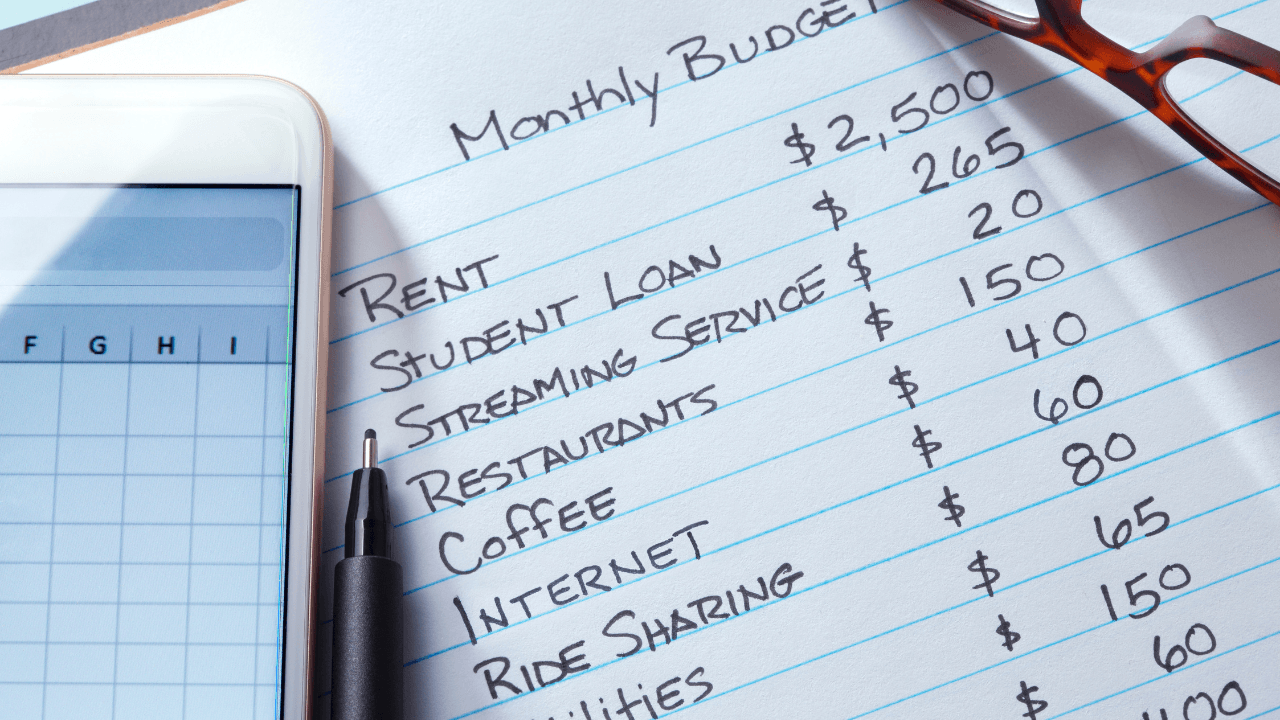
Practical Budgeting Methods That Actually Work

For many of us, creating a budget is the easy part. The hard part is sticking to a plan over the long term. Understanding your habits, strengths, and weaknesses can help you choose budgeting strategies that you’ll actually stick with.