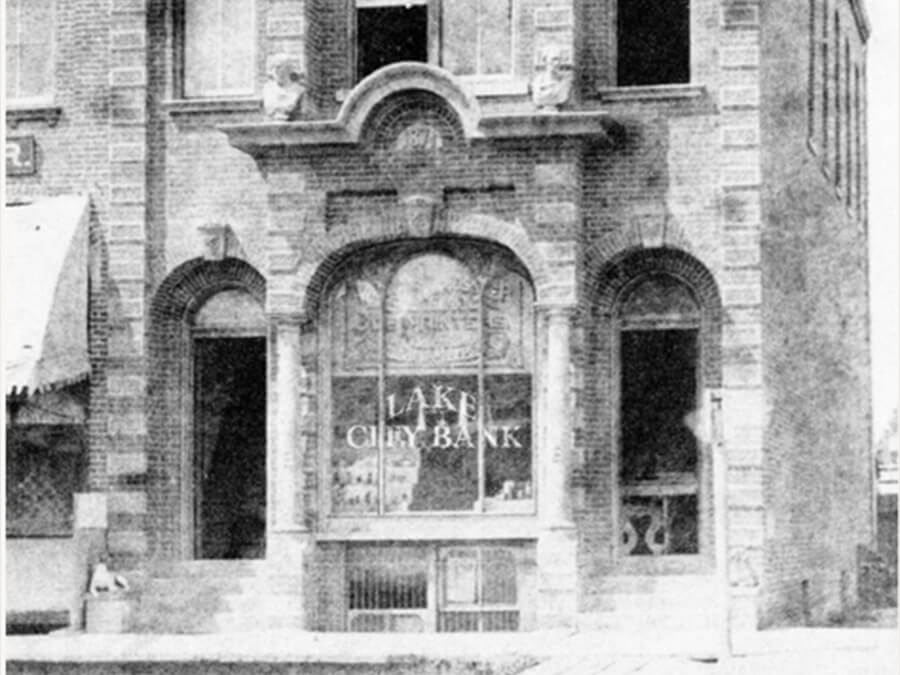
Lake City Bank Opens Its Doors – May 14, 1872
Federal troops occupied parts of the South in the aftermath of the Civil War, and Union war hero Ulysses S. Grant worked to rebuild the country as president of the United States. Although parts of the U.S. still struggled to recover, the war actually had been good for Indiana’s economy. Postwar rebuilding increased demand for manufactured goods. Hoosiers in almost every sector were thriving, and they needed banks.
75 years and Federal Reserve System Membership
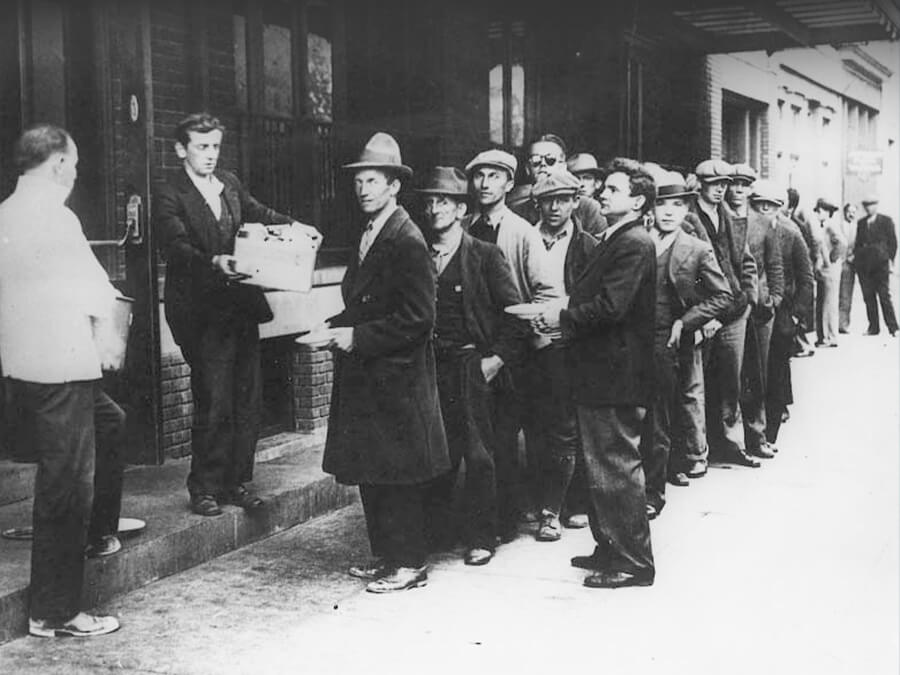
It took the immense tragedy of World War II to end the Great Depression and put America’s economy back on track. The war effort created millions of new jobs and finally brought the country back to full employment.
Lake City Bank grew in capability and reputation. On December 7, 1940 the bank became a member of the Federal Reserve System and then supported the war effort with bonds and ration banking. By the end of the 1940s, Lake City Bank had sped past its 75th anniversary and continued moving forward.
Expanding in a Stronger Economy
After World War II, the nation’s economy took off. The United States quickly rose to the position of richest country in the world, and more Americans than ever considered themselves part of the middle class.
The housing boom and increased mobility through better roads and cars meant people were moving, too.
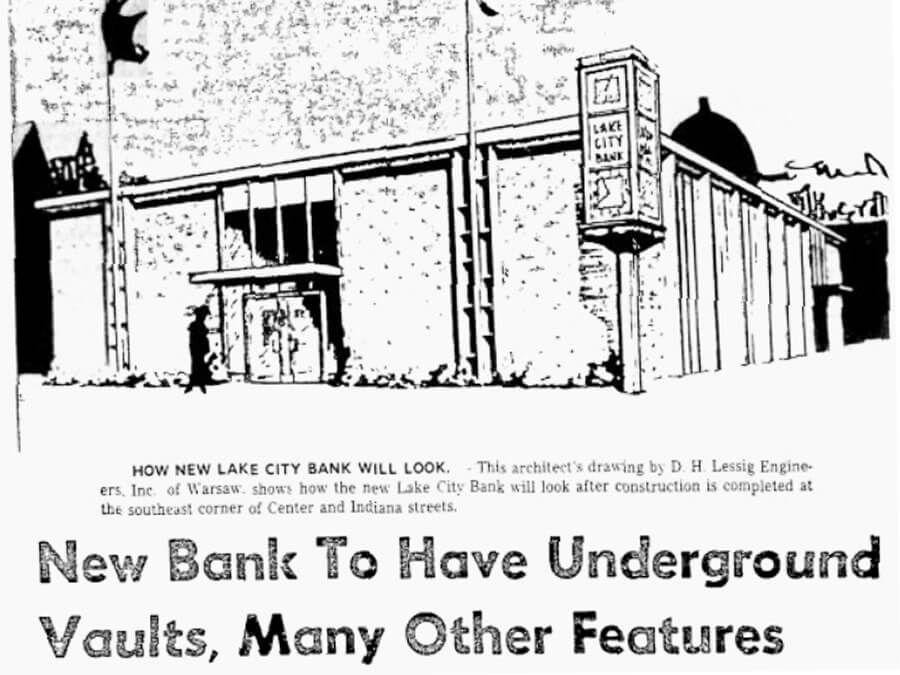
As more money moved through the economy, Lake City Bank expanded too. New buildings, automated processing and creative promotions mark this period of the bank’s history.
Three Locations, and Counting
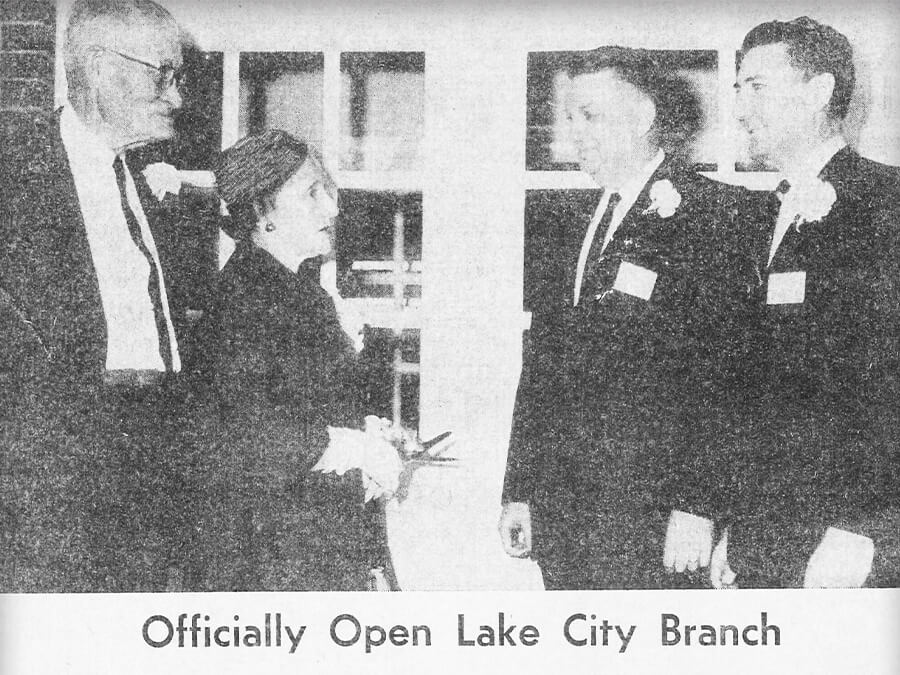
Another quickly followed on May 1, 1966, when the bank merged with Commercial State Bank in Silver Lake in an eleven-to-one stock swap. With that, Lake City Bank had three locations.
1970s - 1980s
Growth and Change
Focus on Small Community Customers
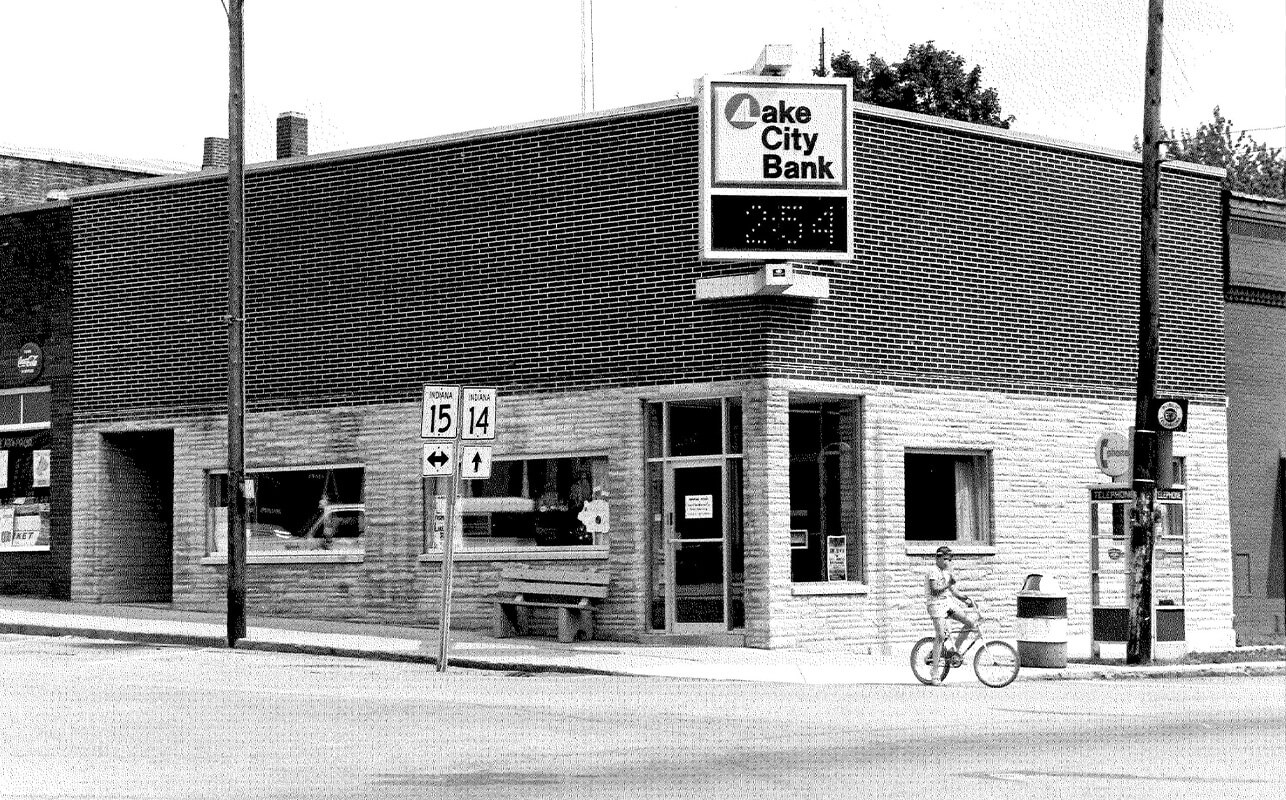
The 1970s and 1980s proved difficult times as the economy took a hard turn. Millions of people across the country lost their jobs and prices soared. Though challenging, these years also provided the chance to grow. While many banks abandoned small communities, Lake City Bank moved into them, adding branches, products and systems to better serve customers. It increased its footprint in commercial lending, which broadened its base beyond retail banking. Finally, it formed Lakeland Financial Corporation, a holding company that gave more financial flexibility.
Branches Multiply, and Online Banking Begins
By 1990, Lake City Bank operated 14 locations in five counties. It solidified its focus on serving small towns.
On August 15, 1997, Lakeland Financial Corporation offered shares of common stock for sale to the general public.
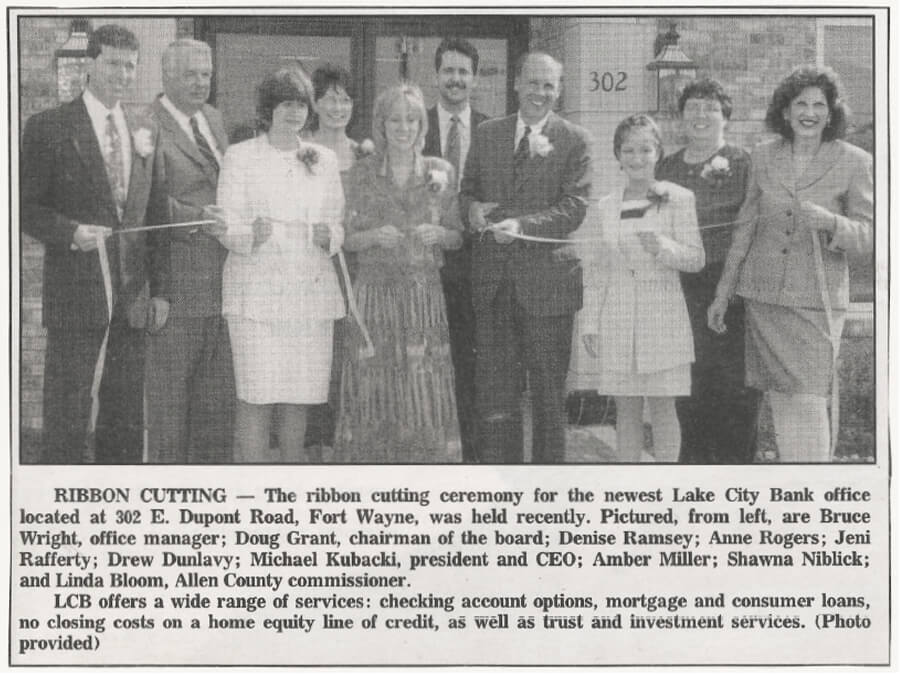
In June 1999, Lake City Bank opened its 43rd office in its 12th county, expanding into Fort Wayne.
In 1999, less than a year after Google appeared for the first time, Lake City Bank offered internet banking to its customers.
Recession Recovery and Expansion into New Markets
Lake City Bank upgraded hardware and software to adapt to a four-digit year as part of Y2K preparation.
What was a strong economy going into 2007, changed when the U.S. entered what’s known as the Great Recession. Though net income dipped slightly in 2009, by the time the Great Recession ended, Lake City Bank was back on its growth track.
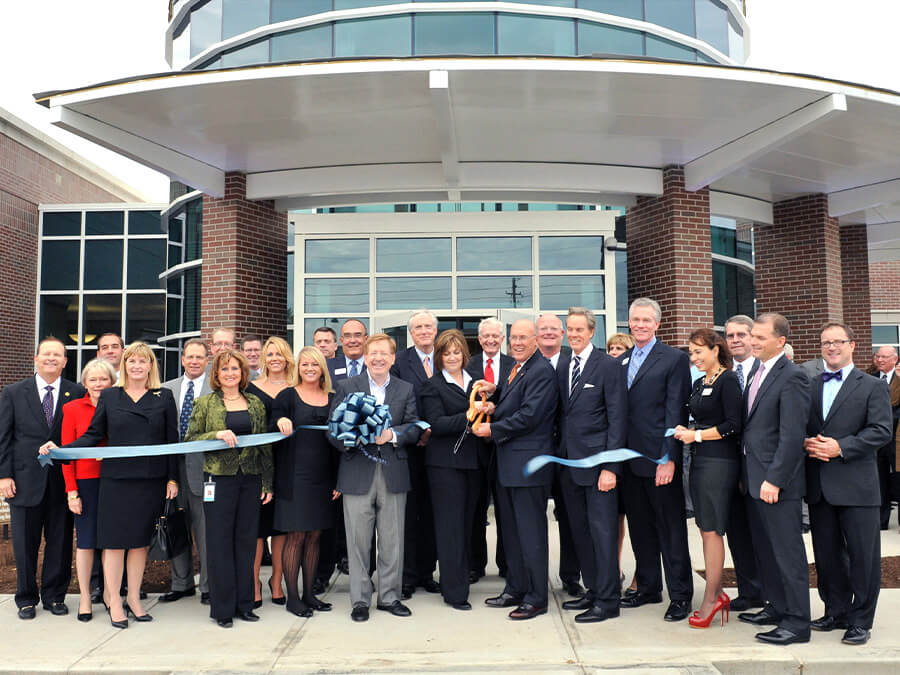
In 2006, Lake City Bank introduced itself to Indianapolis with a loan production office followed by its first full-service branch in Indianapolis in 2011.
Innovating for the Future
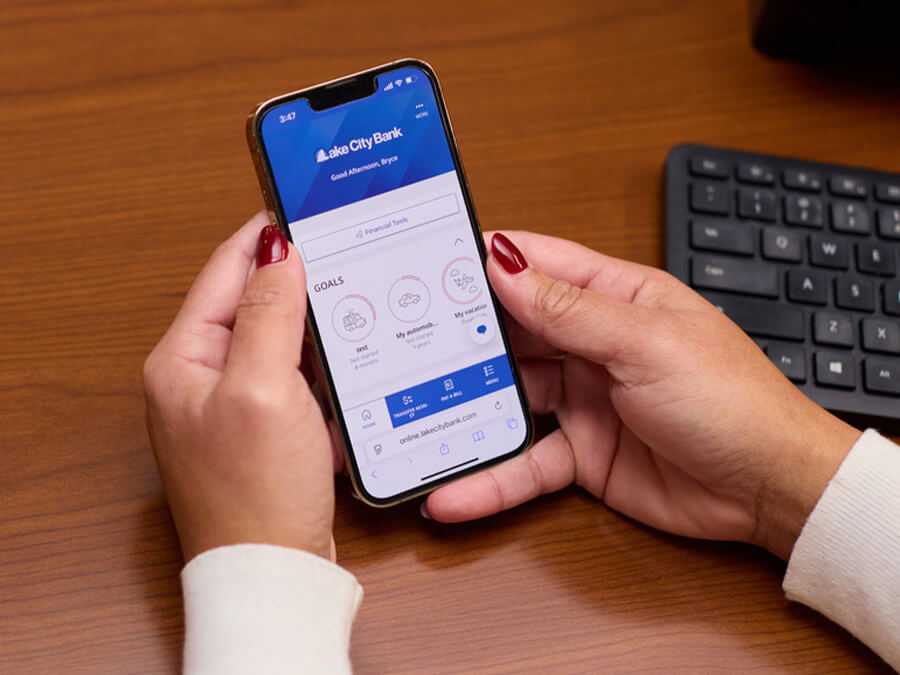
Online banking quickly evolved into mobile banking and Lake City Bank Digital was launched, combining all of the bank’s online and mobile applications so that personal and business users could access them from any device.
Always with an eye on the future, Lake City Bank invested in the next generation of banking customers with the opening of the Elkhart High School branch, which is staffed with student employees and open to the faculty and students during the school year.
Milestone Growth and Local Focus
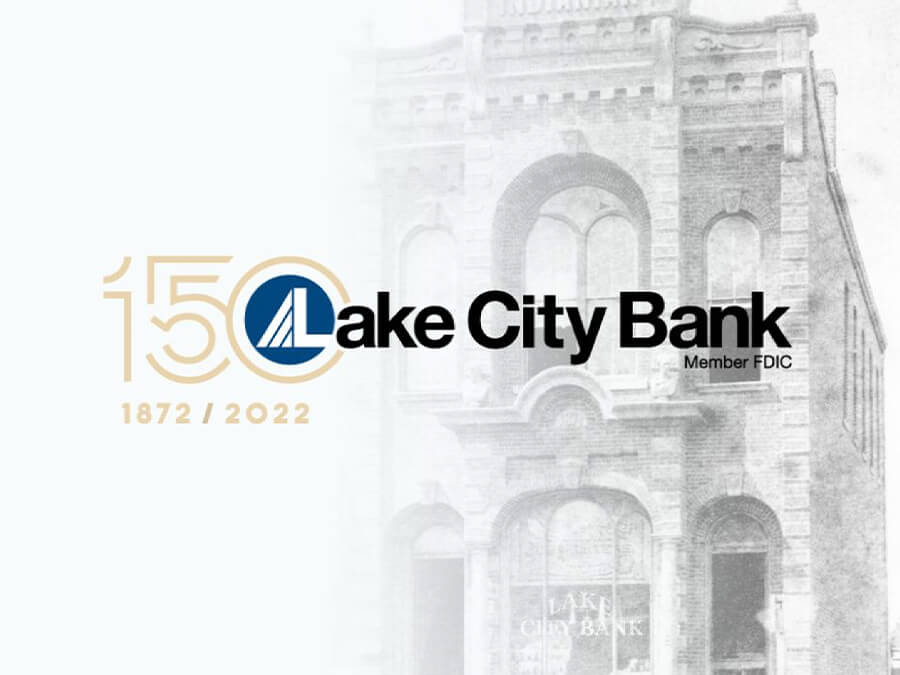
Lake City Bank marks its 150th year, and its commitment to people and community banking hasn’t wavered. With six Lake City Bank branches now serving the Indianapolis area, the Elkhart River District office opened in the heart of downtown Elkhart, marking the bank’s 52nd office.
Continued Growth in Indianapolis Region
Investment in the Indianapolis Region continues with three more branches opened by 2025, bringing the bank’s total to nine branches in the region and 55 overall.