Key Takeaways
- Creating a budget is important for your financial health, but only if you follow it.
- Choosing the right budgeting system can make sticking to your plan easier — don’t hesitate to try something new.
- Calculators can help you determine how much to save and spend in your budget.
For many of us, creating a budget is the easy part. The hard part is sticking to a plan over the long term. Understanding your habits, strengths, and weaknesses can help you choose budgeting strategies that you’ll actually stick with.
To determine the right budgeting system for you, start by evaluating your own financial life:
- You may spend every paycheck without building your savings account.
- You may want budgeting tips to help you save for a new home.
- You may have debt that feels hard to manage.
Next, think about how much time you want to spend budgeting and what type of budgeting system fits your style:
- If impulse spending is a challenge, envelope budgeting may give you the structure you need.
- If you like detail and analysis, the tracking system is right for you.
- If you prefer a simple, big-picture approach, the 50/30/20 budgeting method helps you balance needs, wants, and savings without tracking every dollar.
- If you procrastinate, the “pay yourself first” approach keeps you moving forward.
Determine Your After-Tax Income First
Your after-tax income — the amount you actually take home after taxes and contributions like your 401(k) — is the foundation of every budget.
If you freelance or do gig work, remember to set aside money for taxes. Once you know your true take-home income, you can start exploring and choosing a budgeting method that fits your needs.
Budgeting Methods Defined
The Tracking Method
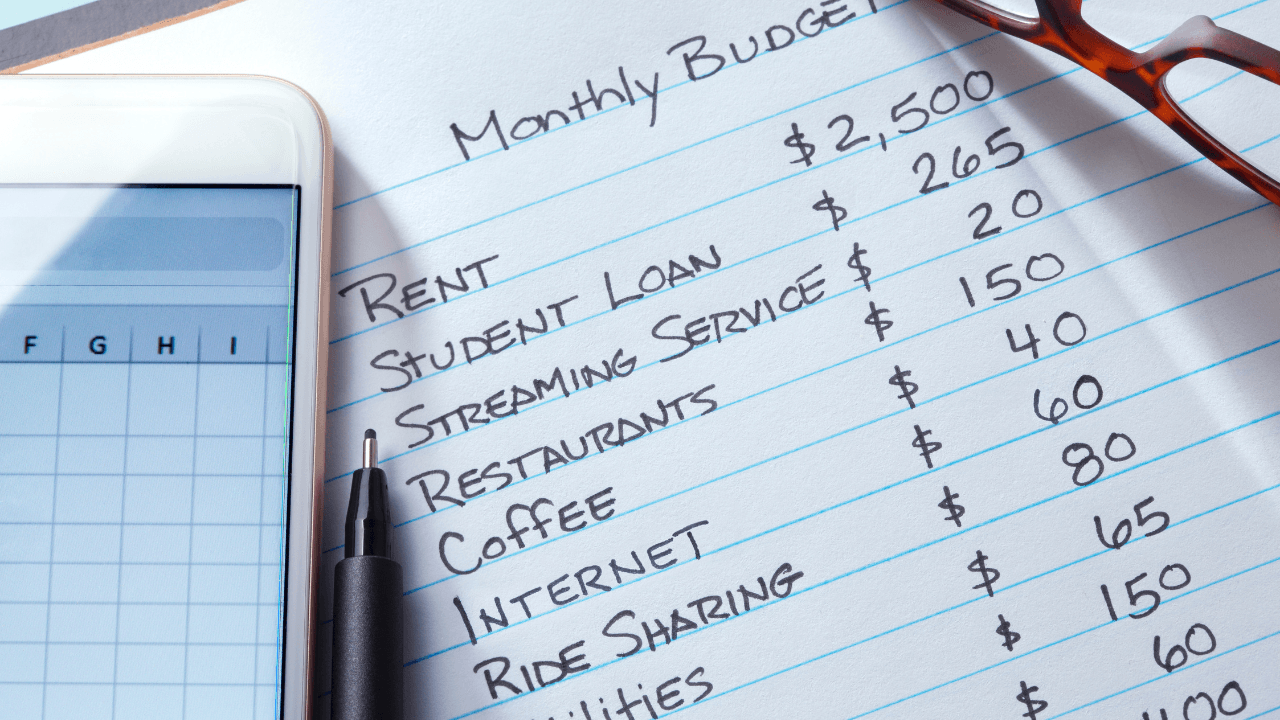
Tracking every dollar you spend is one of the best budgeting methods for beginners because it shows exactly where your money is going.
For a month or two, record all spending using:
- A spreadsheet
- Saved receipts
- Your checking account or credit card activity
Sort each expense into categories like rent, groceries, gas, and entertainment. You’ll quickly get a clear picture of your habits, which makes setting realistic limits easier. If you regularly run out of money before payday, this budgeting method shows you what to adjust.
Envelope Method
This classic budgeting method is simple, hands-on, and helps you stay disciplined. With envelope budgeting, you assign cash to envelopes labeled for groceries, entertainment, gas, and more.
Each payday:
- Put cash into your spending envelopes.
- Schedule automatic payments or deposits for larger items like your house payment, savings account and insurance.
- Try Lake City Bank Digital’s financial tools1 to help you budget, track spending, and manage your overall financial picture.
The envelope budgeting system allows you to spend only what you’ve allocated in your envelopes, so when the cash is gone, it’s gone. Some experts say that using cash rather than a card helps people spend less because cash is tangible and limited.
The 50/30/20 Budget
This budgeting method helps you cover necessities and have a little fun at the same time.
Here’s how it works:
- Allocate 50% of your income to essentials, including groceries, housing, utilities, gas, childcare and minimum payments on credit cards.
- Use 30% for wants, like dinners out, entertainment and takeout coffee.
- Put the remaining 20% toward savings and debt.
You can adjust the percentages to match your goals. If saving more is a priority, shift money from wants to savings and debt paydown. Just remember: everyone’s definition of “wants” and “needs” differs (coffee may fall into either category).
Pay Yourself First — and Always
No matter which budgeting system you choose, paying yourself first is key. Decide what you can save (be as aggressive as you can) and put those dollars aside before spending anything that month.
Lake City Bank’s Budget Calculator can help you determine what you can afford to save and still meet your obligations.
Save for something specific with Lake City Bank Digital’s Goals2, which helps you automatically set money aside for a vacation, a car, a down payment and more.
Ready, set, budget! Budgeting can help you reach your financial goals quicker, especially when you choose the method that fits your lifestyle. If one approach doesn’t work, try another. There’s no one “right” method, just the one that keeps you moving forward.
At Lake City Bank, we’re here to help. Drop in to one of our branch locations or contact our One Call Center at (888) 522-2265.
1Additional fees may apply.
2Goals, as referred to herein, constitute the Goals Account described in Section E Investment Accounts of the Personal Account Terms and Conditions.