Key Takeaways
- Phishing scams are one of the most common ways fraudsters try to access business accounts.
- Always be cautious with emails requesting sensitive information or urgent actions.
- Simple precautions — like verifying links and checking sender details — can prevent costly fraud.
Stay Ahead of Phishing Scams with These Tips
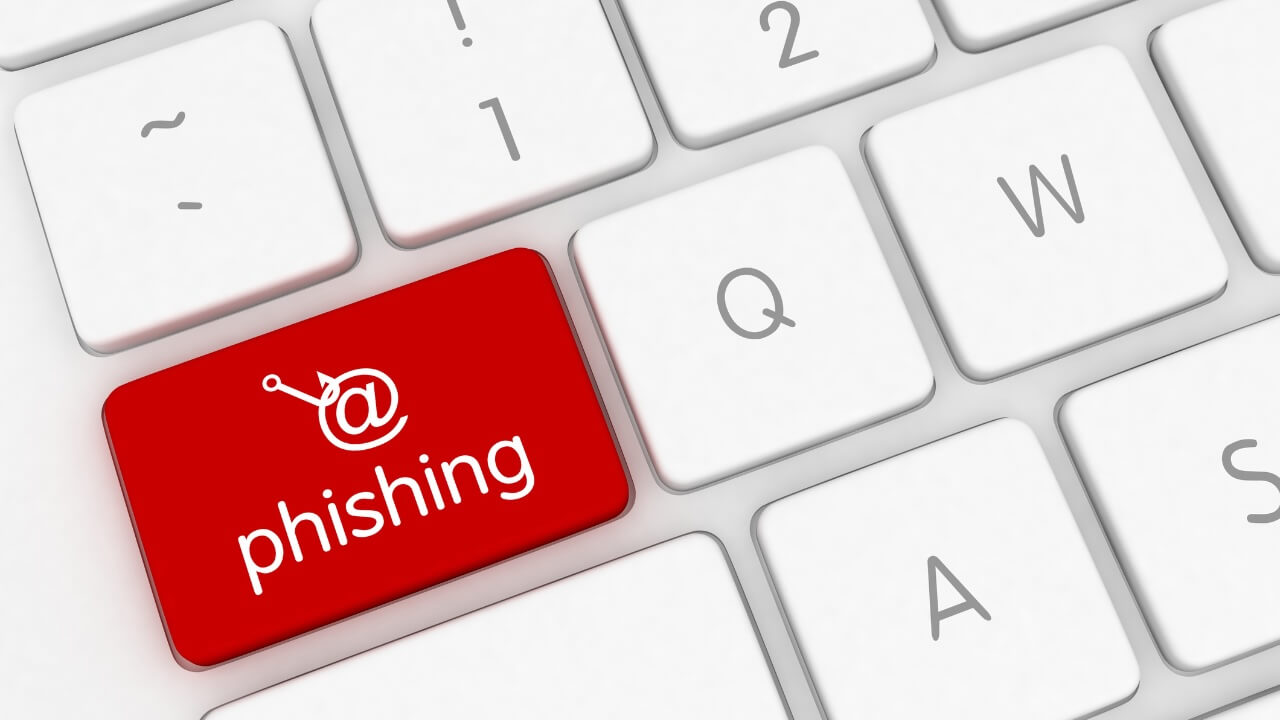
Fraud threats are constantly evolving, and phishing scams remain a favorite tool for cybercriminals. These scams often target businesses through seemingly legitimate emails, aiming to gain access to accounts, sensitive information, or payment details. By staying vigilant and recognizing the warning signs, you can help protect your business and employees.
Phishing Red Flags to Watch For:
- Suspicious email addresses or links — Check for misspellings in the sender’s email address or domain names, or links that lead to unfamiliar websites. Hover over links to reveal the true destination.
- Urgent or threatening language — Be wary of emails that create a false sense of urgency or use threats to pressure you into immediate action.
- Requests for sensitive information — Legitimate businesses don’t request sensitive information like bank details, login credentials, or passwords via email.
- Unusual payment requests — Be suspicious of emails requesting payment through unusual methods like gift cards, wire transfers, or cryptocurrency.
- Poorly written emails — Phishing emails often contain grammatical errors, spelling mistakes, and awkward phrasing. Legitimate organizations usually have proofreading processes in place.
- Suspicious attachments — Don’t open attachments from unfamiliar senders, especially if you did not request them. They often contain malware.
- Unexpected invoices — Watch for (and don’t pay) invoices for products or services you don’t recognize.
- Altered invoices — If an email instructs you to alter an invoice, verify the request through a trusted channel.
- Spoofed websites — Remember that scammers often create fake websites that mimic legitimate ones. Instead of clicking links, navigate to the website directly via a browser you trust.
Protecting Your Business in a Digital World
Awareness is your first line of defense against phishing and other digital scams. Taking a few simple precautions — like scrutinizing emails, verifying requests, and educating your employees — can go a long way in keeping your accounts and sensitive information secure. Stay informed and stay vigilant to reduce your risk of fraud.