
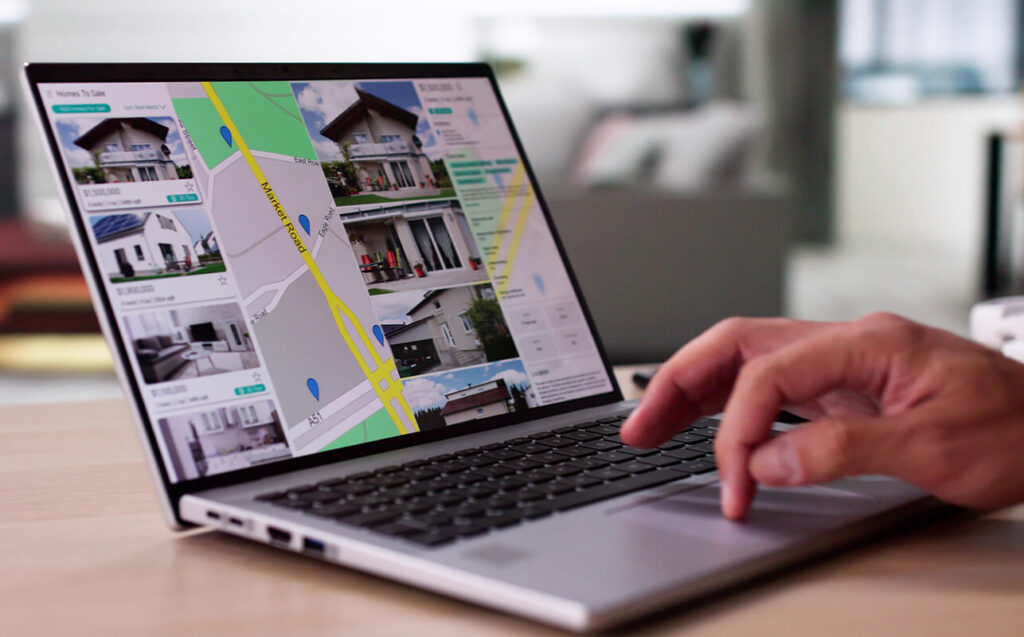




Ready to purchase a home? It’s a big step, and being prepared financially can make the process smoother and less stressful. Understanding the costs involved and having a plan to save can help you confidently move toward the home you want. If this is your first time buying, check out our blog post on mistakes to avoid for first-time homebuyers to help you steer clear of common pitfalls.

Renting vs. Buying a Home

Buying a home can be a smart financial move, but it isn’t always the right choice for everyone. Consider your long-term plans, your current savings, and your comfort with taking on mortgage payments and maintenance costs. If you’re unsure, a quick self-assessment or conversation with a banker can help you evaluate whether buying makes sense for your situation.

Understanding the Mortgage Process

Mortgages can feel complicated at first, but knowing the key steps makes it easier to navigate:

  1. Decide on your price range — Estimate what you can afford based on income, expenses, and savings. Try our mortgage calculator to see your potential monthly payment, including principal, interest, and insurance.
  2. Get preapproved — Lenders review your financial information to give an official estimate of how much home you can afford. Preapproval shows sellers you’re serious and helps you shop with confidence.
  3. Consider your down payment — Most buyers aim for 10–20% of the home price, but the right amount depends on your budget and loan type. Some loan programs allow for lower down payments or offer flexible options, so it’s worth exploring what fits your situation.
  4. Plan for other costs — In addition to your down payment, account for homeowners insurance, property taxes, closing costs, and ongoing maintenance.

Check your credit early — Your credit history plays a big role in loan approval and interest rates. Reviewing your credit and addressing issues ahead of time can help you qualify for better terms.

Once you’re preapproved, you can work with a real estate agent to shop for homes, make an offer, and move toward closing with a clearer understanding of your budget.

Tip: Escrow accounts can simplify payments for taxes and insurance, helping you stay organized and on track.

Saving for Your Home

Saving for a home can feel daunting, but breaking it into steps helps:

  • Set a savings goal based on your target home price and estimated costs.
  • Automate transfers to a dedicated savings account.
  • Consider small lifestyle adjustments to accelerate your savings — like reducing dining out or subscription services temporarily.

It’s also important to keep some savings set aside for emergencies and unexpected home expenses, not just your down payment.

Using the Goals* savings tool in Lake City Bank Digital can make saving easier by letting you set a specific down payment goal, track your progress, and move money automatically toward it — so you can see your home fund grow over time and stay motivated along the way.

*Goals, as referred to herein, constitute the Goals Account described in Section E Investment Accounts of the Personal Account Terms and Conditions.

We’re Here to Help

Not sure where to start? A quick conversation with our mortgage experts can help you understand your options and take the next step when you’re ready.

Banking Tips & Insights

Is a HELOC a Good Idea?

If you’re a homeowner, you might be asking: “Is a HELOC a good idea?” A Home Equity Line of Credit (HELOC) can be a smart financial tool, but it’s important to understand exactly how borrowing against your home’s equity works.